Unlocking the Mystery of the Slot Jackpot: Strategies, Myths, and Reality
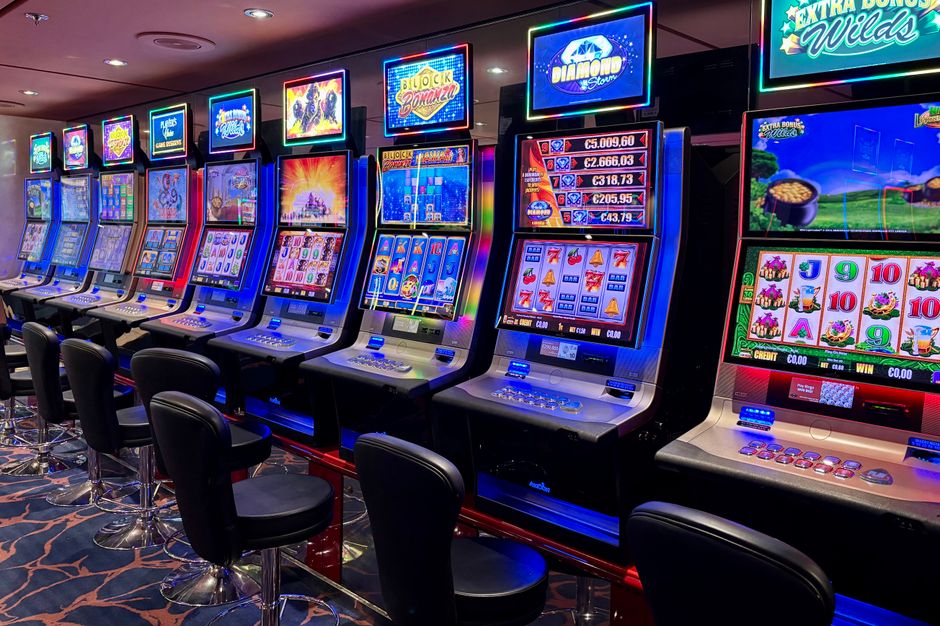
The allure of the slot jackpot has captivated gamblers for over a century. From the mechanical one-armed bandits of the 1890s to today’s immersive digital video slots, the promise of a life-changing payout with a single spin remains one of the most powerful draws in any casino—brick-and-mortar or online. But beneath the flashing lights and celebratory sound effects lies a complex system of mathematics, psychology, and regulatory safeguards that every serious player should understand. This article dissects the anatomy of the slot jackpot, separating fact from fiction, and offers professional insight into how to approach these high-reward machines responsibly.
How a Slot Jackpot Actually Works
At its core, a slot jackpot is triggered by a specific, rare combination of symbols appearing on an active payline. Modern slot machines, however, are governed by a Random Number Generator (RNG)—a computer chip that continuously cycles through thousands of numbers per second. The moment you press “spin,” the RNG stops on a random number that corresponds to a specific set of symbols. Every spin is independent; there is no “due” jackpot, no cyclical pattern, and no way to predict the outcome. Progressive jackpots, which grow with every wager placed across a network of machines, operate on the same RNG principle but pool a small percentage of each bet into a central prize. The odds of hitting a major progressive jackpot—like those found on Megabucks or networked slots—are astronomically low, often exceeding 1 in 50 million spins. Understanding this fundamental randomness is the first step toward a professional, grounded relationship with slot play.
The Psychological Trap of the “Near Miss”
One of the most researched phenomena in slot machine psychology is the “near miss.” This occurs when the reels stop with two jackpot symbols on the payline and the third just above or below it. The player’s brain interprets this as a “close call,” flooding it with dopamine similar to an actual win. Game designers deliberately program near misses more frequently than statistically random chance would dictate. This creates a false feedback loop that encourages continued play. Recognizing this as an intentional design element—not a sign that you are getting “warmer”—is critical. The slot jackpot is not a skill-based target you can zero in on; it is a random event that the machine is programmed to tease.
Myths That Cost Players Real Money
Several persistent myths surround slot jackpots. First, there is the belief that a machine that hasn’t paid out in a long time is “due” to hit. This is purely superstition; the RNG has no memory. Second, some players think that using a player’s card or betting maximum coins increases the odds of hitting the jackpot. While maximum bets are often required to qualify for the top progressive prize, they do not change the underlying RNG odds—they only buy you eligibility. Third, the idea that casinos can remotely tighten or loosen a machine on a whim is largely outdated. Modern regulated machines have fixed payback percentages set by the manufacturer and approved by gaming authorities; they cannot be adjusted from a back office mid-session. Believing these myths leads to chasing losses, wagering beyond your limits, and misinterpreting the nature of the game.
Bankroll Strategy for Jackpot Seekers
If your goal is to play for a slot jackpot, your bankroll management must be surgical. Set a strict budget that is entirely discretionary—money you can afford to lose without affecting rent, bills, or savings. Divide this budget into session stakes. For example, if your budget is $500, you might play 10 sessions of $50 each. Never chase a jackpot by dipping into funds reserved for other purposes. Furthermore, always read the machine’s paytable before playing. Note the minimum bet required to activate the progressive jackpot—many machines require the maximum coin wager. Betting less than this means you can hit the winning combination but receive a flat prize instead of the life-changing sum. This is a painful and avoidable mistake. Finally, use the “stop loss” discipline: if you lose your session stake, walk away. The jackpot will still be there tomorrow.
The Regulatory Framework and Fair Play
Reputable casinos—both land-based and online—are subject to rigorous regulatory oversight. In jurisdictions like Nevada, New Jersey, or the UK, gaming commissions test and certify RNG software to ensure fairness. Independent testing agencies such as eCOGRA and GLI audit games to verify that the advertised odds match real-world performance. For online players, ensure your chosen casino holds a valid license from a respected authority and displays certification seals. Playing on unlicensed sites carries the risk of rigged software where the odds of hitting the slot jackpot may be mathematically impossible. Always verify the casino’s reputation through independent review platforms and official licensing databases. Responsible operators also provide tools for self-exclusion, deposit limits, and reality checks to help you maintain control.
Conclusion: The Jackpot as Entertainment
The slot jackpot is a remarkable fusion of chance, technology, and marketing. It offers the dream of instant wealth, but that dream comes with statistical reality: the vast majority of players will never hit a major progressive. The healthiest approach is to treat the jackpot as a form of paid entertainment—a thrill ride with a potential, but improbable, life-changing prize. Play for the experience, the lights, the sound, and the few minutes of suspense. Set your limits in advance, understand the math, and never wager money you cannot lose. When you approach the slot jackpot with this professional mindset, you retain control. The machine does not control you. And if you are fortunate enough to hear that jackpot siren, you will have earned it financially and emotionally—by playing smart, not just lucky.