The Evolution and Mechanics of the Slot Machine: From Liberty Bell to Digital Reels
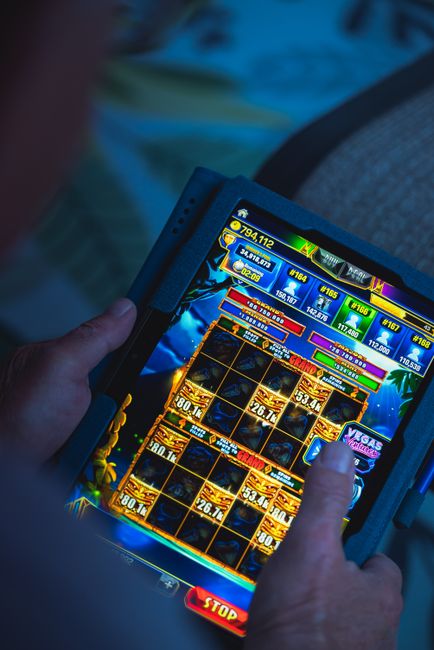
Introduction to the Slot Machine: A Century of Entertainment
The slot machine, colloquially known as a "one-armed bandit," remains one of the most iconic and profitable forms of gambling worldwide. Its journey from a simple mechanical device in a San Francisco bar to the complex digital platforms accessible via smartphones is a story of engineering, psychology, and cultural adaptation. Slots are not merely games of chance; they are meticulously engineered products designed to maximize player engagement while ensuring casino profitability. This article explores the historical evolution, core mechanics, and modern innovations of the slot machine.
Historical Roots: Charles Fey and the Liberty Bell
The first recognized slot machine was invented in 1895 by Charles Fey, a German-American mechanic in San Francisco. His creation, the "Liberty Bell," featured three spinning reels with five symbols: horseshoes, diamonds, spades, hearts, and a cracked Liberty Bell. A winning combination of three Liberty Bells paid out the highest prize—50 cents. Fey’s machine was revolutionary because it offered automatic payouts, a feature that eliminated the need for an attendant. The success of the Liberty Bell sparked a wave of imitators, but mechanical constraints limited the complexity of early slot machines.
The Shift to Electromechanics and Video Slots
By the 1960s, electromechanical slot machines began to replace purely mechanical ones. Bally Technologies introduced "Money Honey" in 1963, the first fully electromechanical slot, which allowed for larger jackpots and automatic hopper payouts. This era also introduced the concept of multiple coin denominations and side bets. The next major leap came in the 1970s with the introduction of video slots. The first video slot, developed by Walt Fraley and his company Fortune Coin Co., used a modified Sony television for its display. By the 1990s, video slots had become the norm, allowing for complex bonus rounds, multiple paylines, and interactive themes borrowed from popular culture, movies, and television.
Core Mechanics: How Modern Slots Work
Modern slot machines, whether physical or digital, rely on a central component: the Random Number Generator (RNG). This computer program continuously generates thousands of random numbers per second, even when the machine is not being played. When a player presses the spin button, the RNG selects a number that corresponds to a specific set of symbols on the reels. This ensures that every spin is independent and unpredictable, a principle crucial for regulatory compliance. Two key metrics define a slot’s financial structure: Return to Player (RTP) and Volatility. RTP is a theoretical percentage of all wagered money a machine will pay back over time (e.g., 96% means $96 returned for every $100 wagered). Volatility, or variance, measures the risk level: low-volatility slots offer frequent but small wins, while high-volatility slots pay larger sums less often. The
The Psychology of Slot Design
The design of modern slots goes far beyond aesthetics; it is deeply rooted in behavioral psychology. Features such as near-misses (where two winning symbols land just above or below the payline), celebratory sound effects for any win (even small ones), and the illusion of control through "stop" buttons all increase dopamine release and encourage continued play. The concept of "losses disguised as wins" (LDWs)—where a spin results in a payout smaller than the wager, but accompanied by slot-machine jingles—is a particularly potent technique. Even in digital environments, these psychological triggers are carefully engineered to blur the line between entertainment and compulsion. As a result, slot machines generate more revenue for casinos than any other game, often accounting for 70-80% of total gaming profits.
Online Slots and the Digital Revolution
The internet transformed slots from physical cabinets into globally accessible digital games. Online slots, first appearing in the mid-1990s, expanded the possibilities exponentially. Developers could create games with thousands of ways to win (e.g., Megaways slots with 117,649 paylines), complex storylines, and progressive jackpots that pool contributions from players worldwide. The advent of mobile gaming further democratized access, allowing players to spin reels during commutes or breaks. Software providers like Microgaming, NetEnt, and Playtech now produce thousands of online slot titles, each with unique features such as cascading reels, expanding wilds, and free spin multipliers. The digital format also enables transparent RTP tracking and independent audits, enhancing player trust—though this transparency does not eliminate the inherent house edge.
Regulation, Fairness, and Responsible Gaming
In legal jurisdictions, slot machines are among the most heavily regulated gambling devices. Regulatory bodies like the UK Gambling Commission and the Nevada Gaming Control Board mandate rigorous testing of RNGs by independent labs (e.g., eCOGRA, GLI) to ensure fairness. Certified slot games display their theoretical RTP publicly, and casinos are prohibited from altering a machine’s program arbitrarily. However, the very features that make slots engaging—high-volatility, near-misses, and fast-paced play—also pose risks for problem gambling. Responsible gaming tools, such as deposit limits, reality checks, and self-exclusion programs, are increasingly integrated into both physical and online platforms. Players should approach slots as entertainment with a predetermined budget, never chasing losses, and understanding that no strategy can guarantee a win against the built-in house advantage.
Conclusion: The Enduring Allure of the Spin
From Fey’s Liberty Bell to immersive virtual-reality slots, the machine has continually reinvented itself while maintaining its essential promise: a single spin can change your fortune. The blend of simple mechanics, sophisticated psychology, and technological innovation ensures that slots remain a dominant force in gambling. Whether in a Las Vegas casino or on a mobile screen at home, the click of the reels and the anticipation of symbols lining up resonates universally. Understanding the mechanics behind the glass—the RNG, RTP, and volatility—empowers players to make informed choices, turning a game of pure chance into a source of controlled entertainment. As technology advances, slots will undoubtedly evolve further, but their core appeal—the thrill of the unknown—will remain timeless.